A Guide to Car Brake Pads
Car brake pads are among the most critical wear components on any vehicle, responsible for delivering consistent, reliable braking performance to help avoid accidents and ensure safe driving. While there are many different types of automotive brake pads from dozens of manufacturers, choosing the right pads for your vehicle and driving habits is crucial for staying safe and avoiding unnecessary maintenance costs.
Here’s what you need to know about car brake pads, and a few of the best options for summer and winter driving.
What Are Brake Pads?
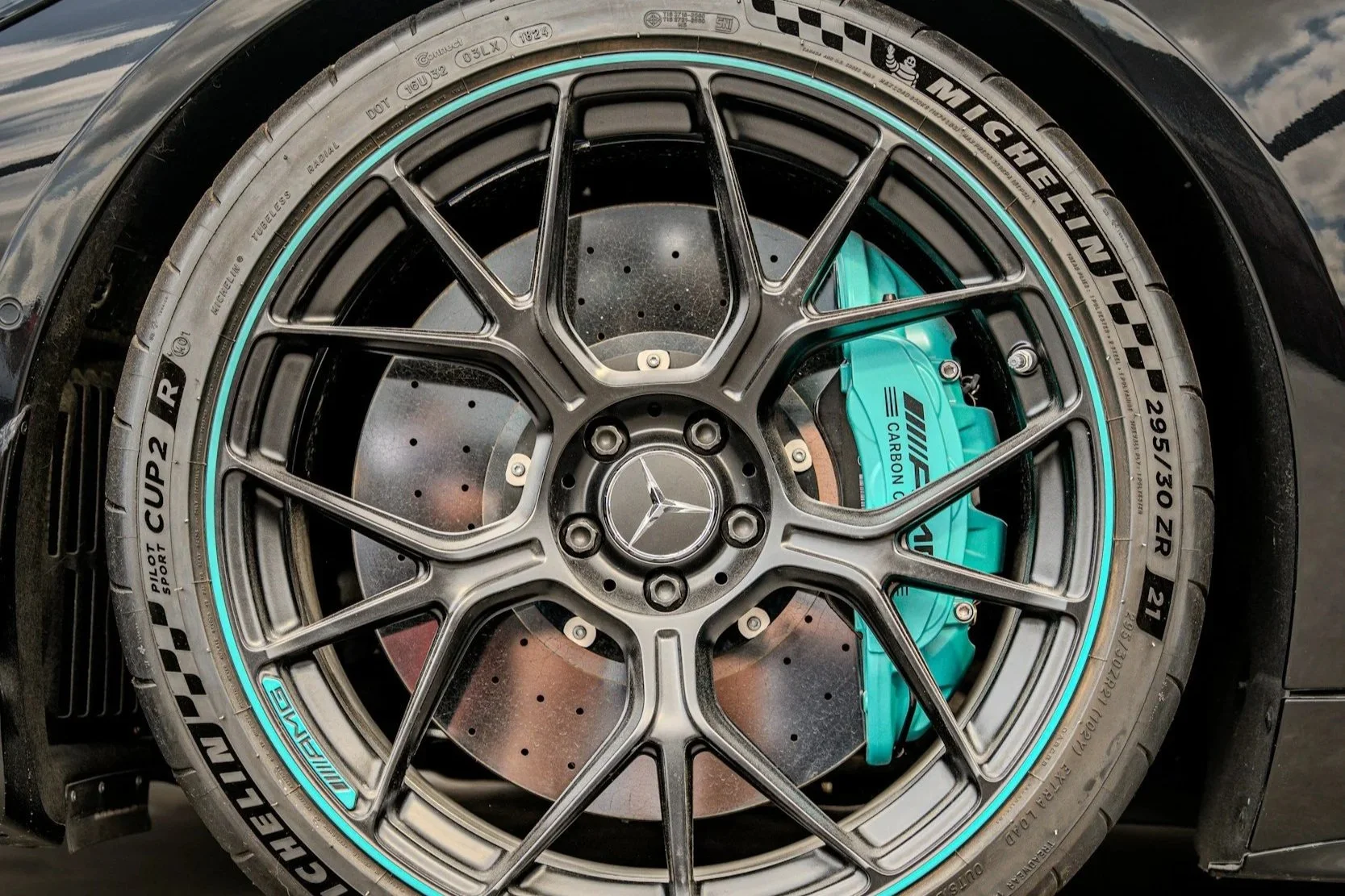
Car brake pads are high-wear components that tend to last between 15,000 and 60,000 miles. Brake pads contact the vehicle’s disc brake system, generating friction between the pad and the disc rotor to slow and stop the vehicle. The pads are actuated by hydraulic pressure supplied through the brake lines to the brake calipers.
The Basics of Brake Pads, Explained
There are a few common brake pad types. Each material offers its own pros and cons, and it’s important to consult your owner’s manual or speak with a technician at Garfield Auto Service Center to choose the right type of pad material for your vehicle and driving habits.
Semi-metallic: Durable, heat resistant, but are more prone to brake noise. They may also produce more brake dust, a fine black metallic powder generated by braking.
Ceramic: Quieter, consistent stopping power, but often tends to be more expensive than semi-metallic.
Organic: Soft and quiet, organic brake pads wear out the fastest and produce the most brake dust.
How Long Do Brake Pads Last?
Brake pads last between 15,000 and 16,000 miles, with the exact lifespan determined by factors like:
Driving conditions (road, gravel, two-tracking, rain, snow)
Brake pad material
Driving habits (braking late, “riding the brakes”)
When Should Brake Pads Be Replaced?
Have your brakes inspected during your regular automotive tune-up to determine whether they need replacement or when you should bring your car in. Listen for screeching, squealing, or grinding noises, or poor braking performance. Waiting too long to replace your brake pads can lead to brake rotor damage, reduced braking performance, or more serious brake system damage.
How to Preserve Your Brakes
Driving carefully, selecting the right brake pad type, and limiting city driving can help preserve your brake pads.
When possible, let off the gas well before you reach a light or stop sign. Coasting to a stop reduces the braking power required to slow down, preserving your brake pads.
Choose brake pads designed for your vehicle. Semi-metallic brake pads are the most common material used on modern vehicles.
Stop-start city driving can take a real toll on your brakes. Take the highway or routes with fewer lights and stop signs to reduce wear and tear on your brake pads.
‘Tis the Season for Better Braking
The weather can also affect how quickly your brakes wear, especially in cold, snowy Northern Michigan.
The best car brake pads for winter are semi-metallic. Some materials, such as organic materials, harden in freezing temperatures. Semi-metallic pads aren’t significantly affected by cold or snow, and give excellent braking performance all winter long.
The best car brake pads for summer are ceramic pads, which remain highly effective even in extreme heat.
Read More: Winter & Snow Tires vs. All-Seasons: What’s the Difference?
Stop In and See Us
Garfield Auto Service Center is proud to be Traverse City’s most respected auto garage. We provide professional, timely service at a fair price, helping Northern Michigan families stay on the move. To schedule your next tune-up or brake replacement appointment, get in touch online or call (231) 929-3862 today!